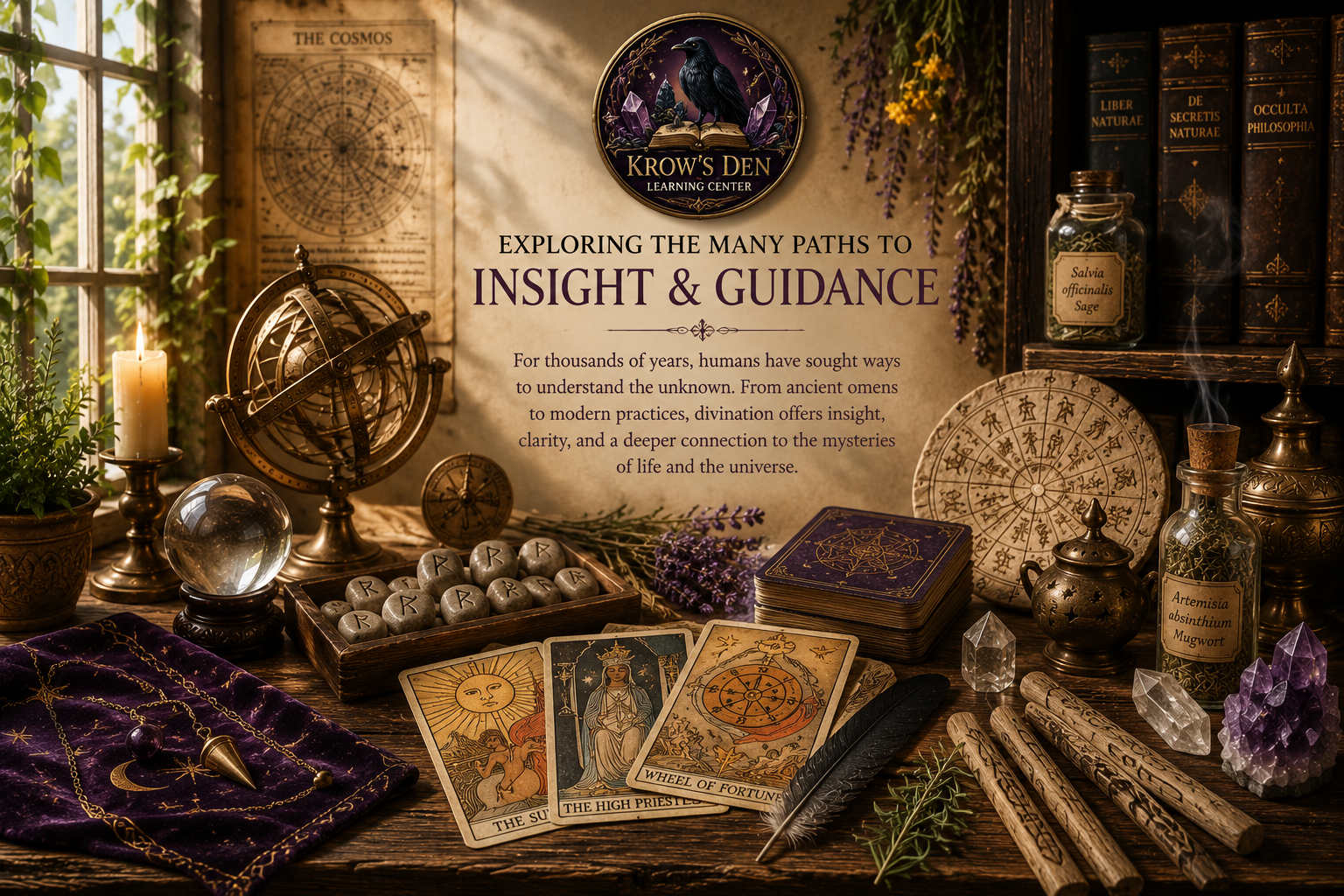
For thousands of years, human beings have sought ways to gain insight into the unknown.
From ancient priests interpreting omens in the skies to modern practitioners consulting tarot cards, divination has been practiced in nearly every culture throughout history.
While methods differ greatly, the underlying goal remains remarkably similar: to seek guidance, discover hidden influences, explore possibilities, and better understand ourselves and the world around us.
Divination is not a single practice but a vast collection of systems, traditions, and symbolic languages developed over centuries. Some rely on cards, symbols, numbers, or celestial movements.
Others use natural signs, reflective surfaces, or intuitive tools to explore questions and uncover deeper perspectives.
Whether approached as a spiritual practice, a psychological tool, a cultural tradition, or a method of self-reflection, divination continues to captivate seekers around the world.
This guide introduces some of the most well-known forms of divination and provides a starting point for deeper exploration.
Tarot
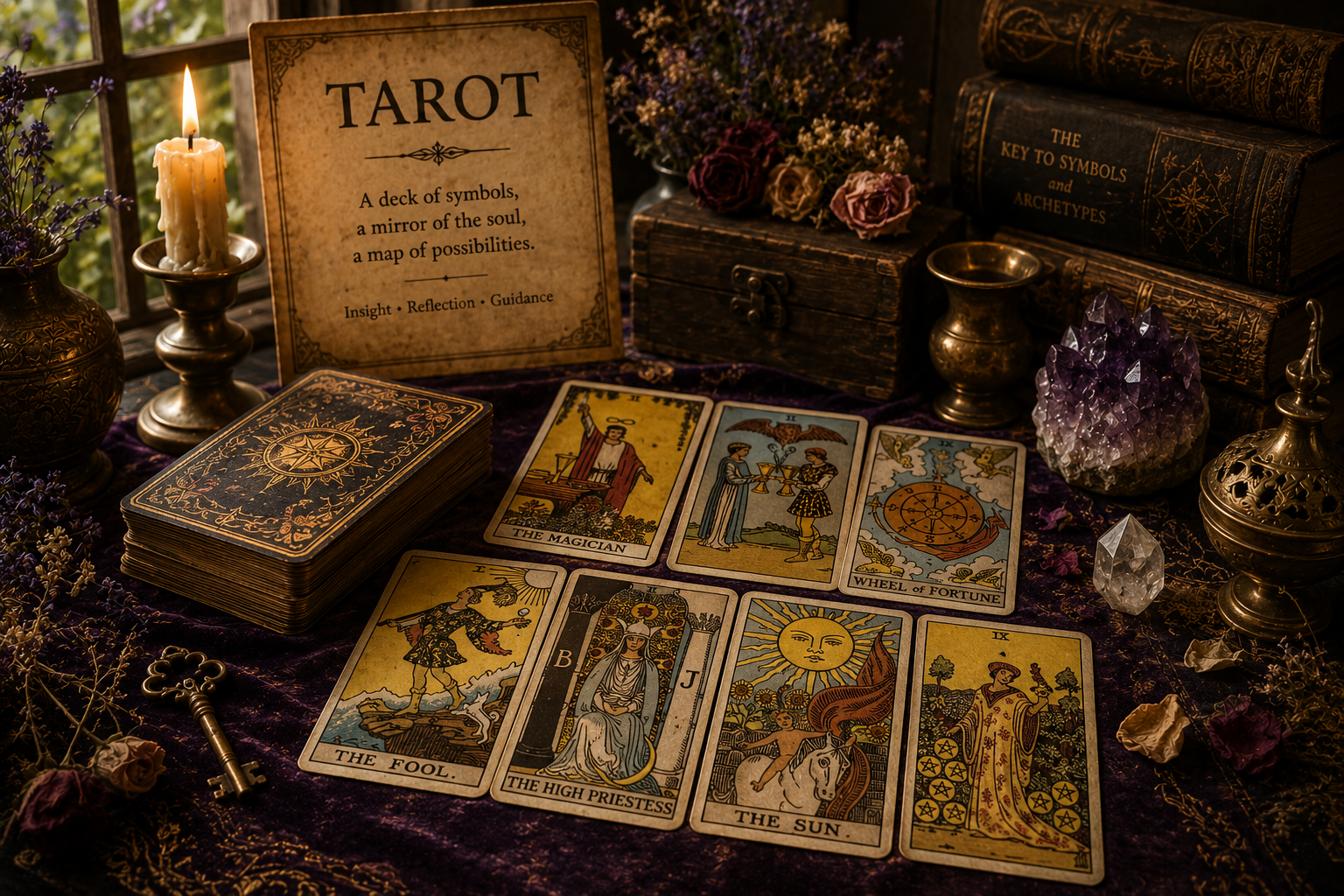
Perhaps the most widely recognized divination system in the modern world, Tarot uses a deck of symbolic cards to explore questions, situations, and potential outcomes.
Each card contains imagery rich with symbolism that can be interpreted individually or as part of a larger spread.
Tarot is often used for self-reflection, personal growth, spiritual exploration, and gaining perspective on life’s challenges and opportunities.
Continue Reading: Tarot →
Runes
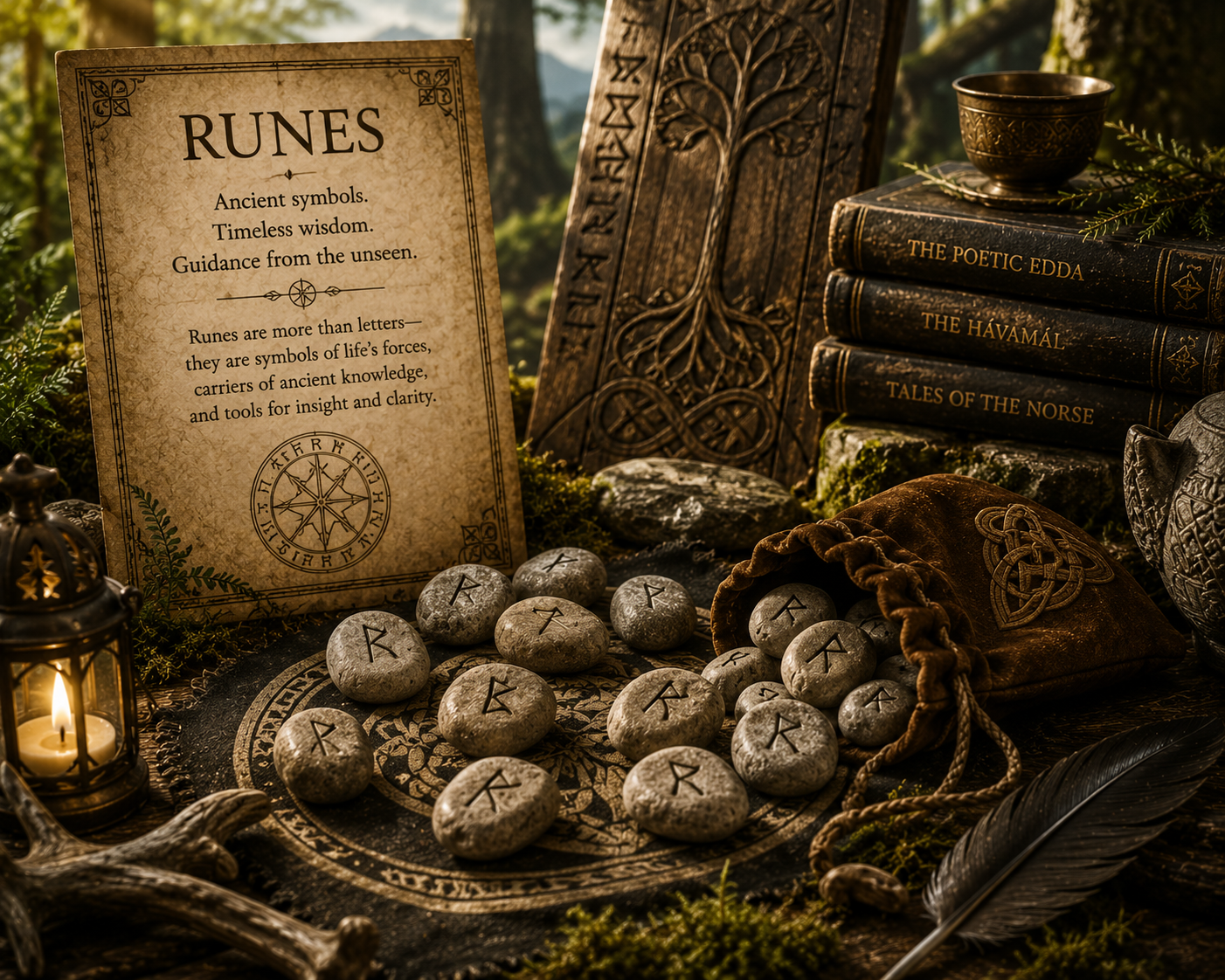
Runes are an ancient alphabet historically associated with Germanic and Norse cultures.
Beyond their practical use as written characters, runes developed symbolic meanings that have made them a popular tool for divination.
Modern rune readings involve drawing or casting runes and interpreting their meanings based on the symbols revealed. Many practitioners value runes for their direct, often thought-provoking messages.
Continue Reading: Runes →
Numerology
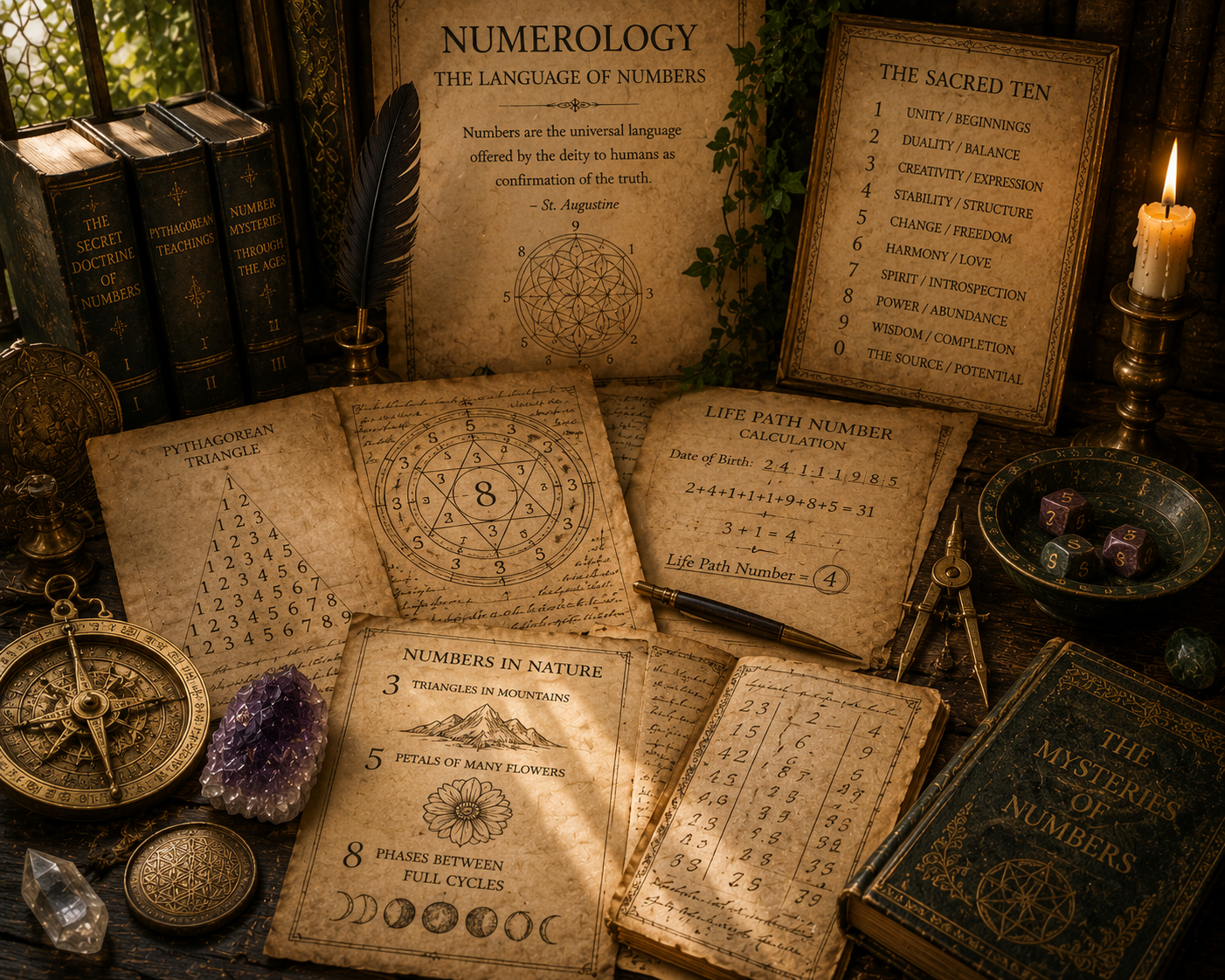
Numerology is the study of symbolic meanings associated with numbers.
Many numerological systems explore relationships between names, birth dates, repeating number patterns, and broader themes within a person’s life.
Practitioners often use numerology as a tool for self-discovery, personality analysis, and identifying recurring patterns.
The belief that numbers contain hidden significance can be found in many cultures throughout history.
Continue Reading: Numerology →
Astrology
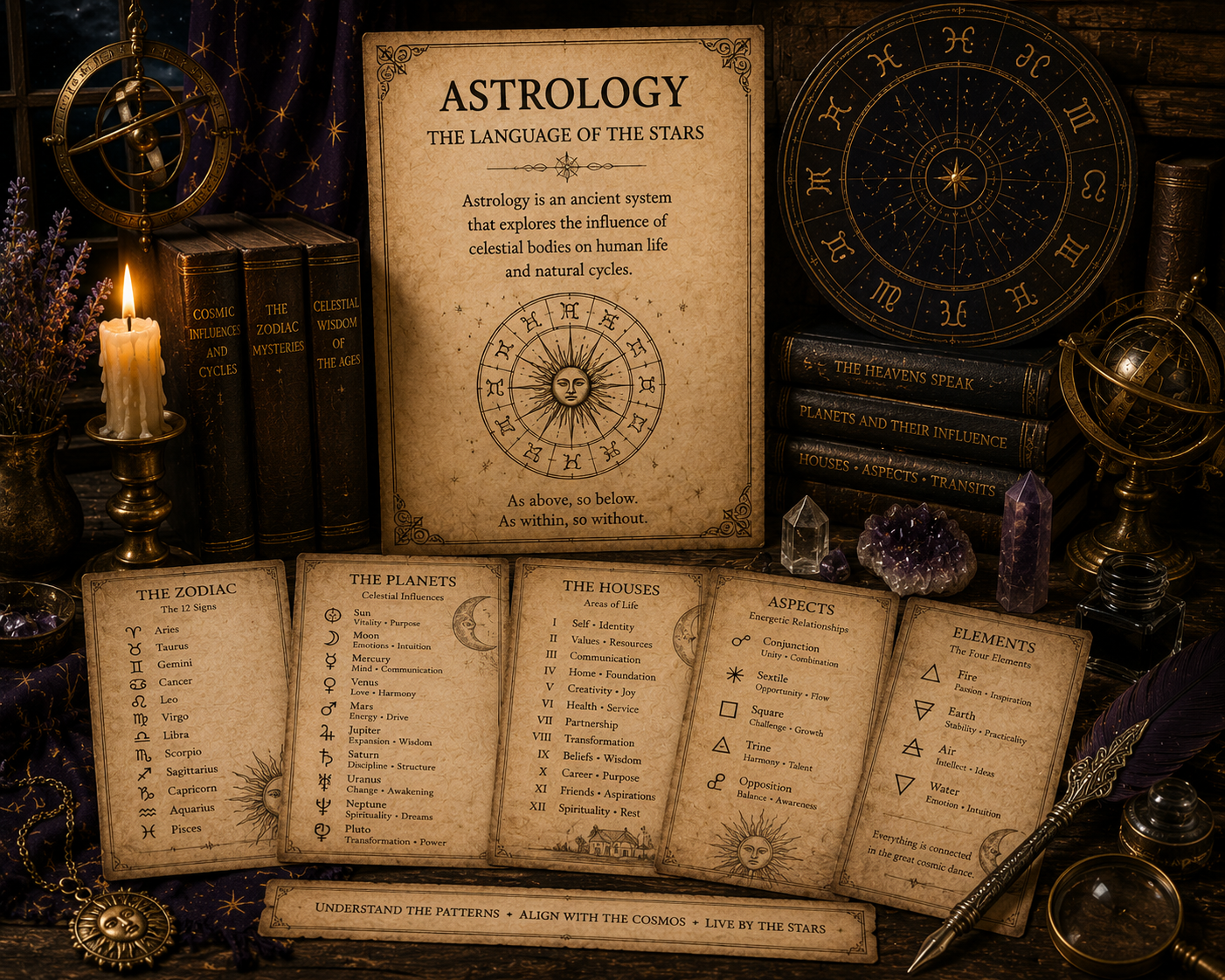
Astrology examines the symbolic relationship between celestial movements and life on Earth.
By studying planetary positions, zodiac signs, houses, and aspects, astrologers seek to understand personality traits, life themes, opportunities, challenges, and cycles of change.
With roots stretching back thousands of years, astrology remains one of the most influential and widely practiced divinatory systems in the world.
Continue Reading: Astrology →
Ogham
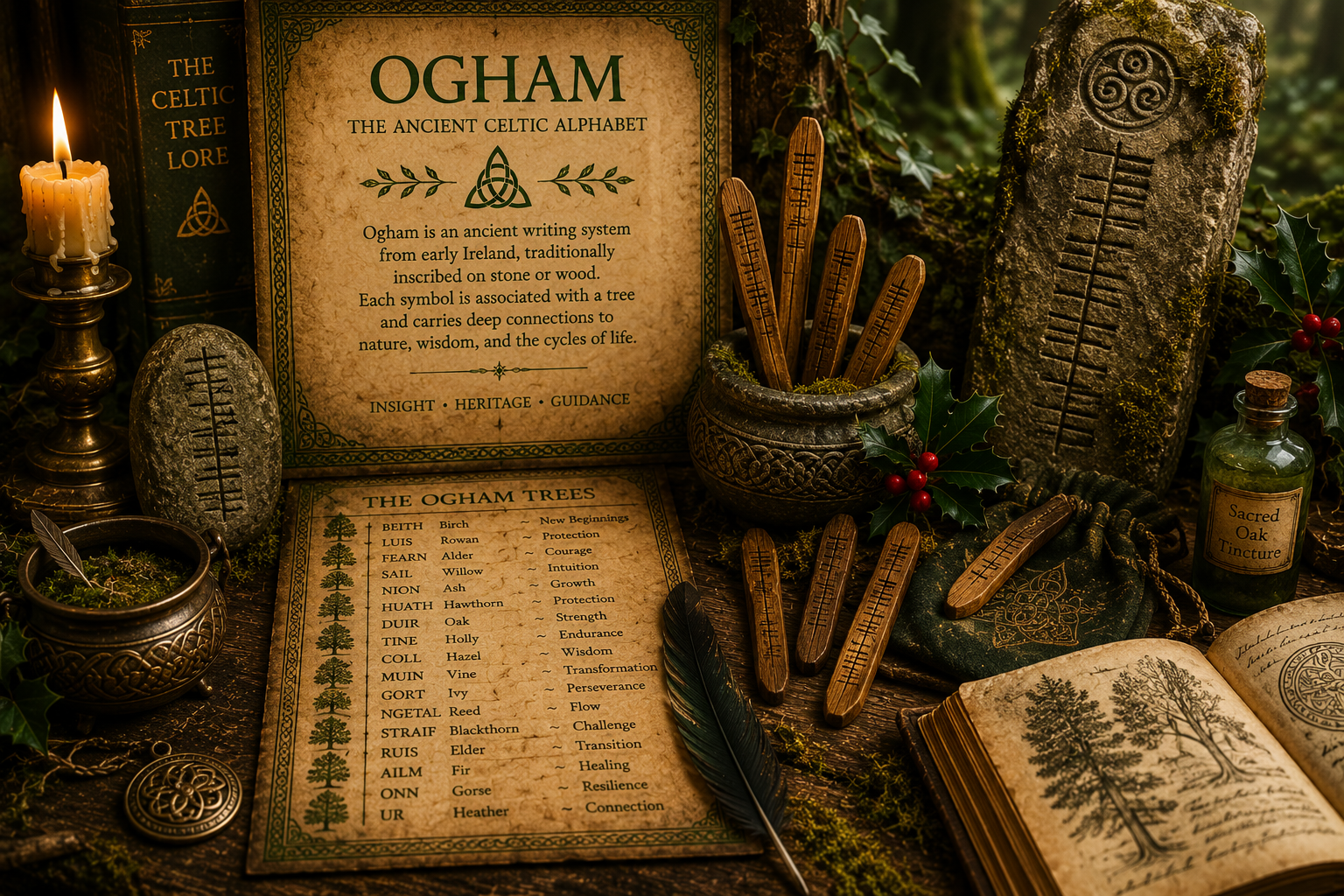
Ogham is an ancient alphabet associated with early Ireland and Celtic traditions.
Many modern practitioners use Ogham symbols in divination, often drawing connections between the characters, trees, natural forces, and spiritual concepts.
Ogham readings can provide insight, reflection, and symbolic guidance rooted in Celtic cultural traditions.
Continue Reading: Ogham →
Pendulums
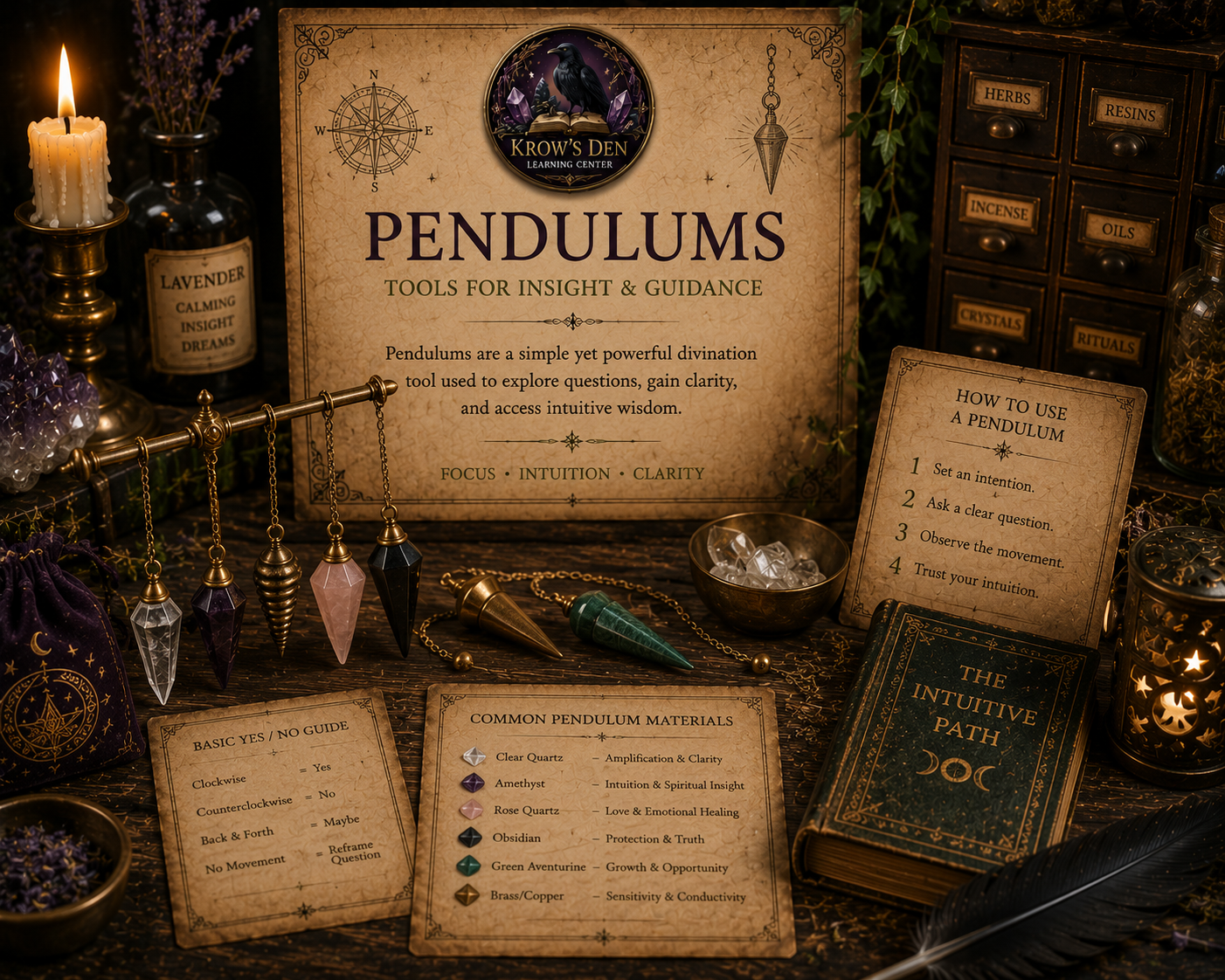
Pendulum divination uses a weighted object suspended from a chain or cord to answer questions or explore possibilities.
Practitioners typically observe directional movements and patterns while seeking guidance.
Pendulums are popular due to their simplicity and accessibility, making them a common starting point for those interested in divination.
Continue Reading: Pendulums →
Scrying
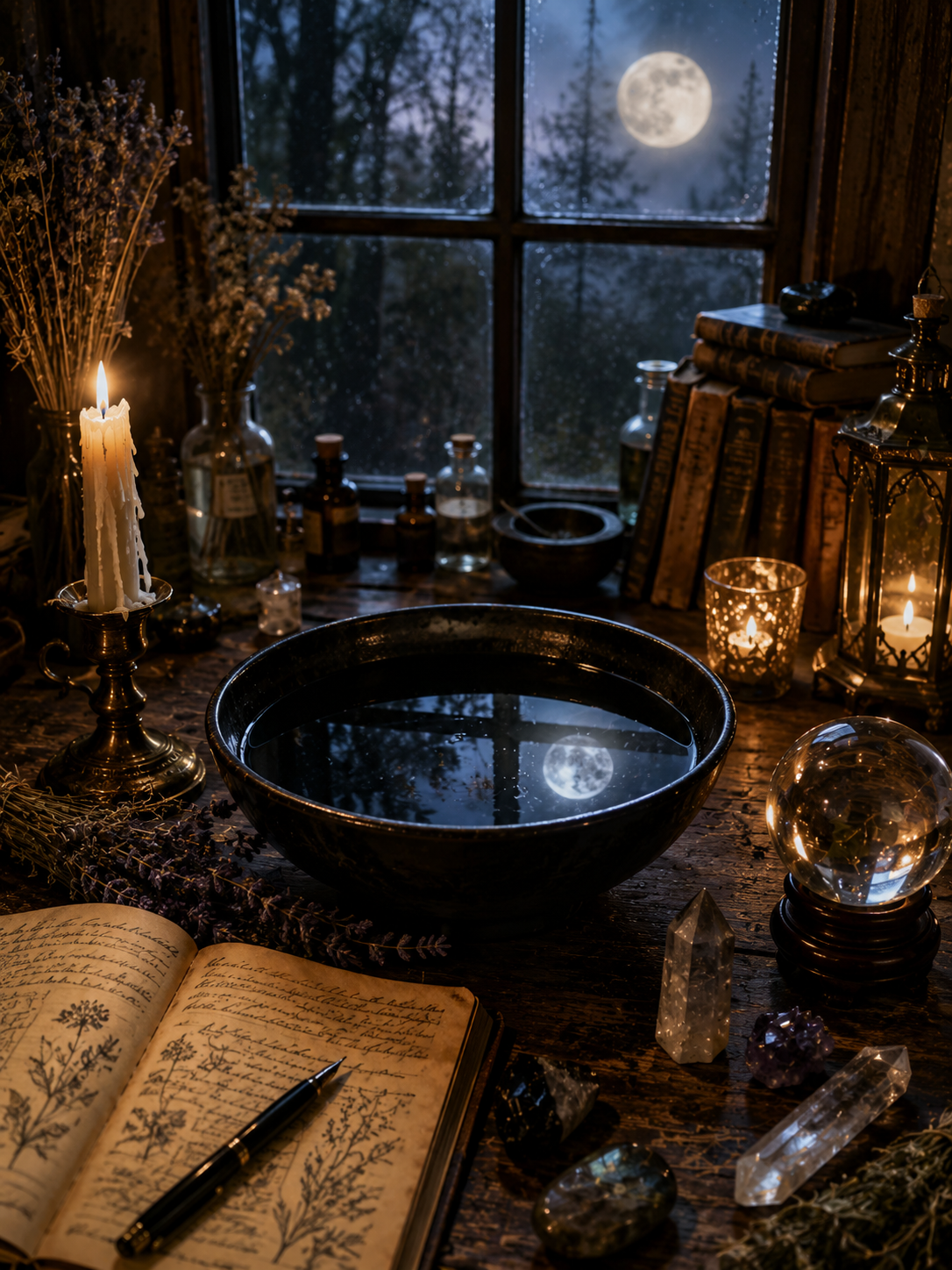
Scrying involves gazing into a reflective or symbolic surface to encourage visions, impressions, or intuitive insights.
Historically, practitioners have used mirrors, crystals, water, polished stones, flames, and other reflective objects for this purpose. Scrying traditions can be found in cultures throughout the world and remain one of the oldest forms of divination.
Continue Reading: Scrying →
Geomancy
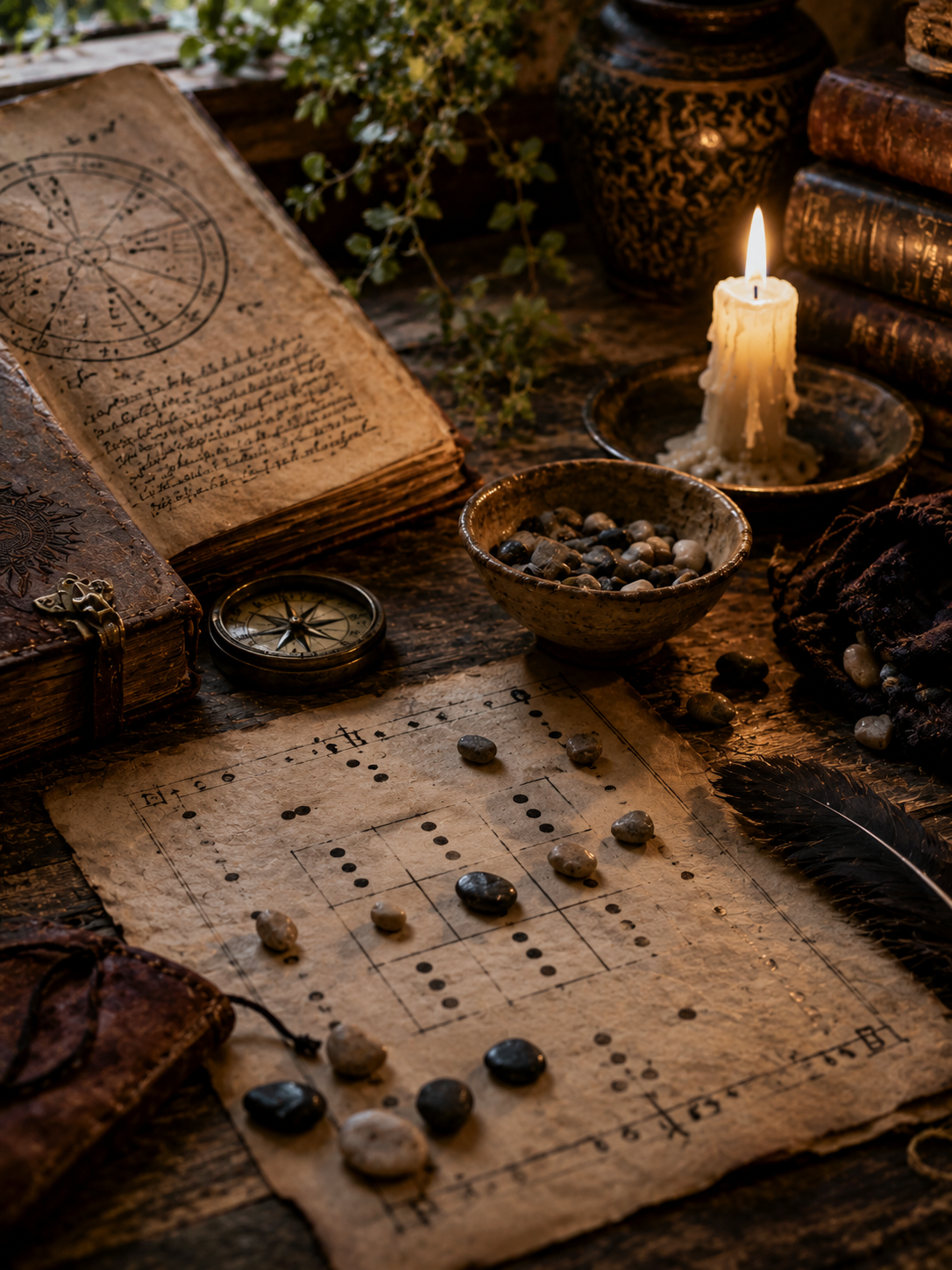
Geomancy is a divination system that interprets patterns created through random marks, tossed objects, or symbolic figures.
Originating in the ancient world and later refined in medieval traditions, geomancy developed into a sophisticated system capable of addressing complex questions and situations.
It remains one of the lesser-known but historically significant forms of divination.
Continue Reading: Geomancy →
Oracle Systems
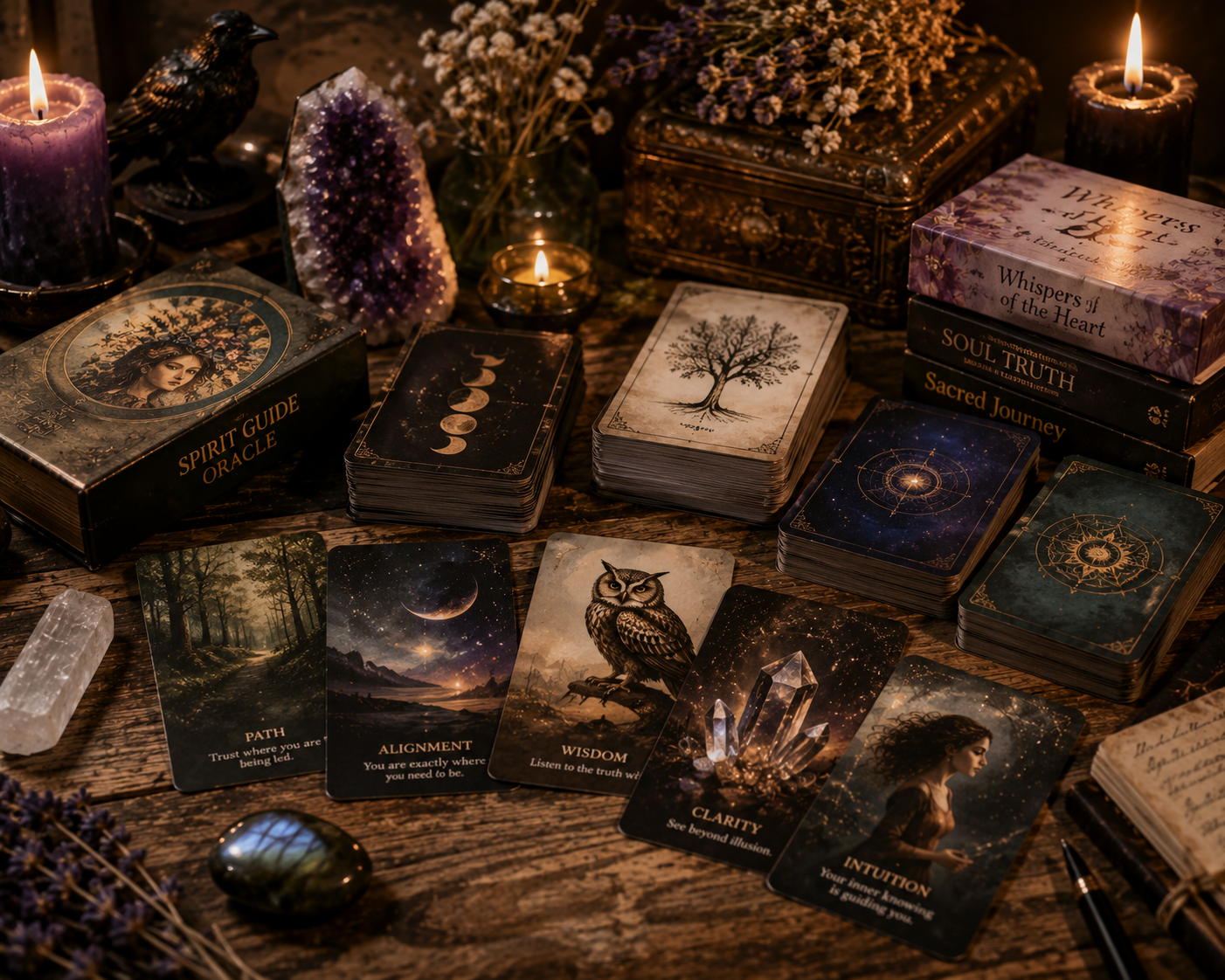
Oracle systems encompass a wide range of divinatory tools beyond traditional tarot.
These may include oracle cards, symbolic decks, message cards, themed spiritual systems, and other intuitive tools.
Unlike tarot, oracle systems often vary significantly in structure and interpretation, allowing for tremendous creativity and diversity.
Continue Reading: Oracle Systems →
Ouija Board
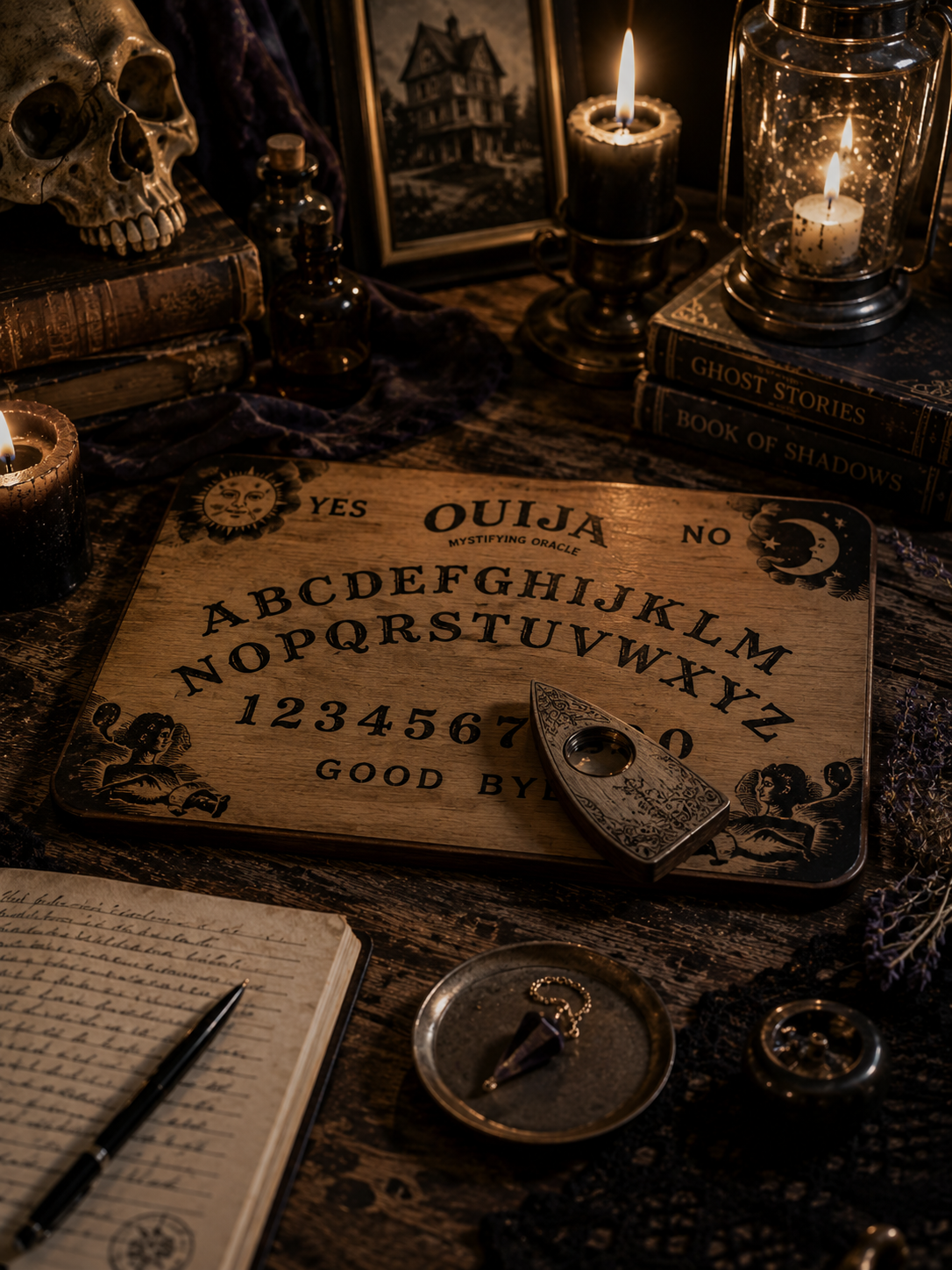
The Ouija Board is one of the most recognizable—and controversial—divination tools in popular culture.
Typically consisting of letters, numbers, and symbolic responses, the board is used by participants who place their hands on a planchette and observe its movement.
While opinions differ greatly regarding its nature and effectiveness, the Ouija Board has become a lasting part of modern paranormal and occult culture.
Continue Reading: Ouija Board →
Black Mirror
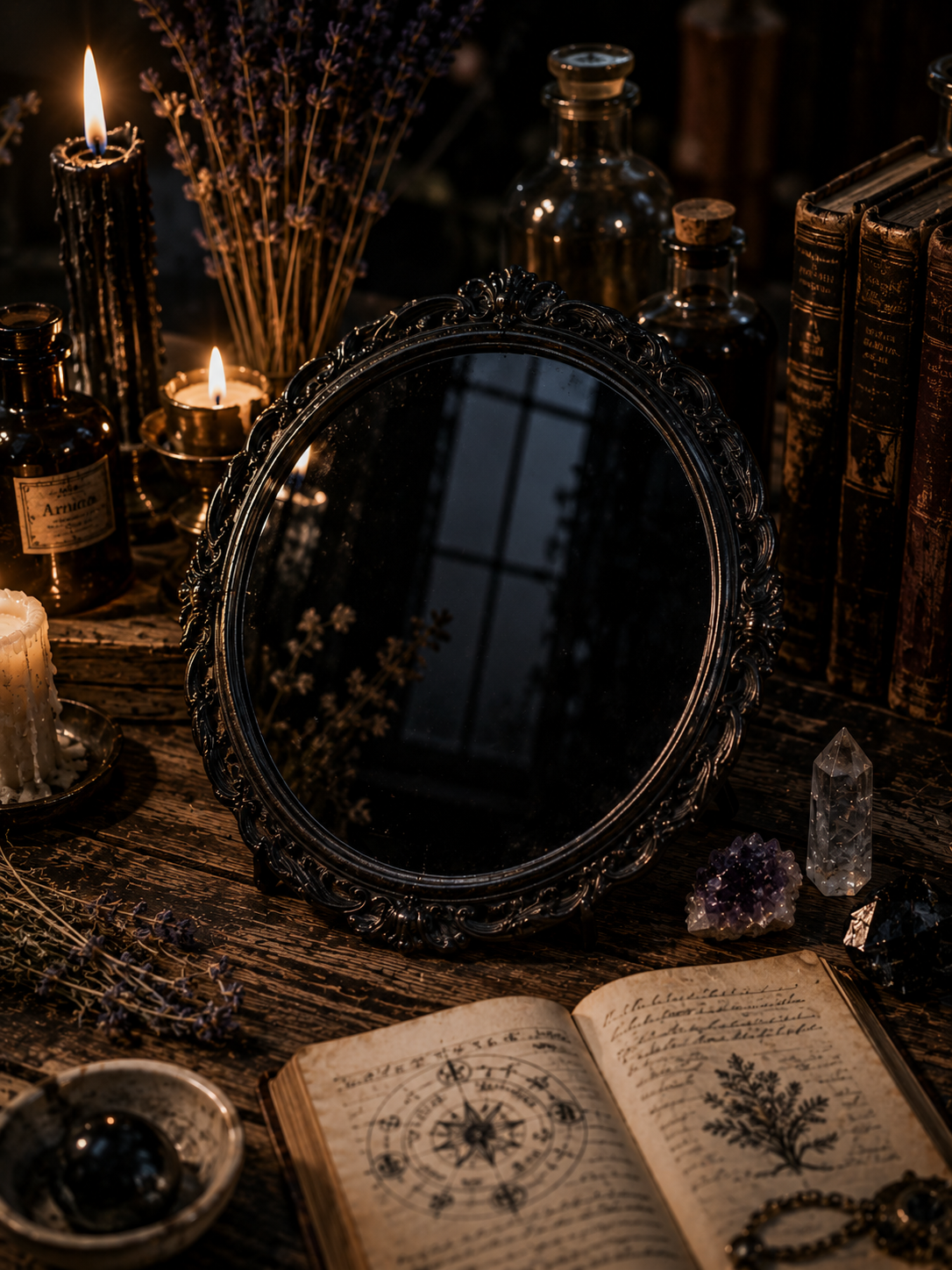
Black mirrors have been used for centuries as tools for meditation, contemplation, and scrying.
Traditionally crafted from dark reflective surfaces, black mirrors are often used to encourage altered states of awareness, symbolic visions, or intuitive impressions.
They remain a popular tool among practitioners interested in visual forms of divination.
Continue Reading: Black Mirror →
Augury and Reading Omens
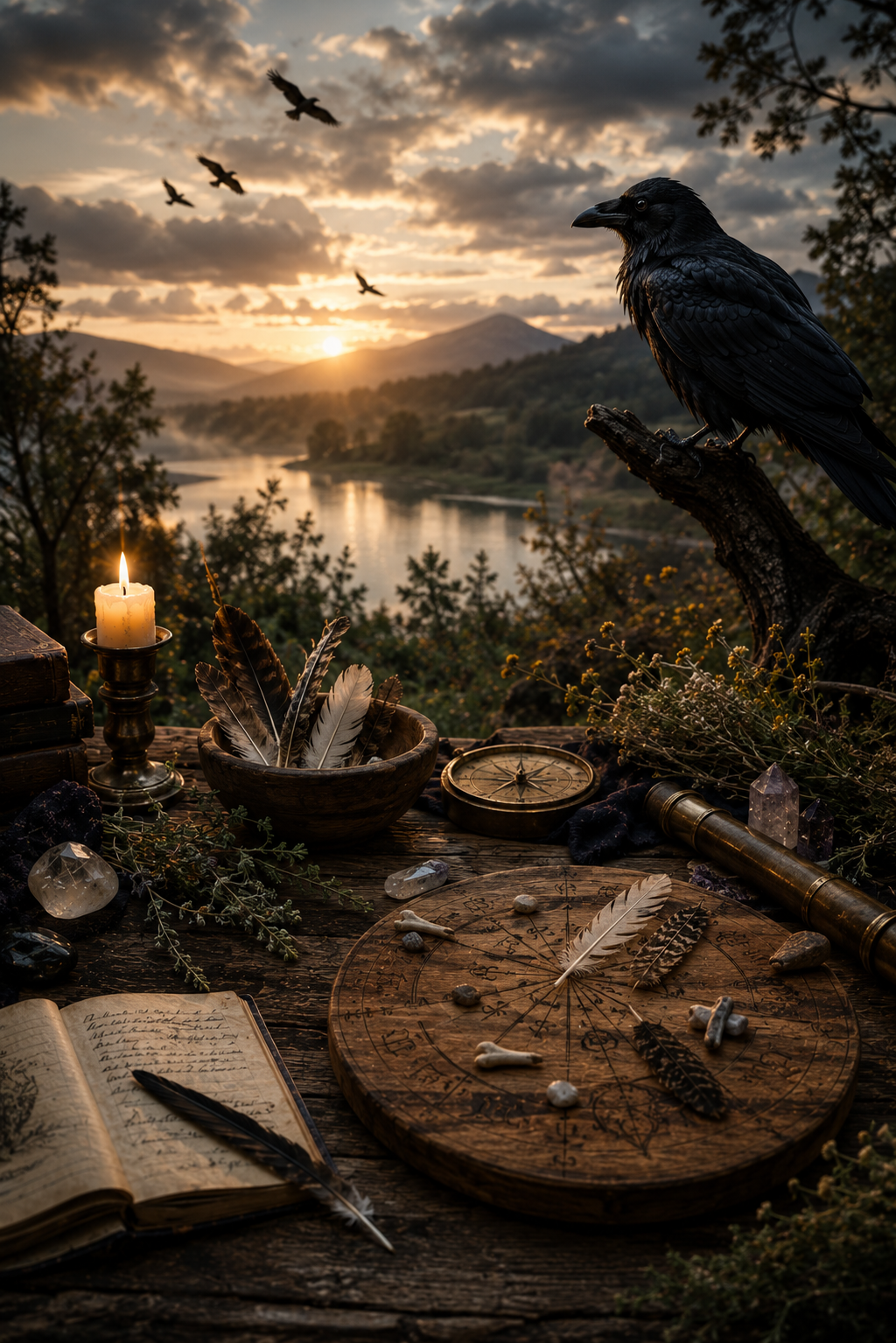
Long before cards, runes, and pendulums, people looked to the natural world for signs and messages.
Augury traditionally involved interpreting the behavior of birds, weather patterns, unusual events, dreams, celestial phenomena, and other occurrences believed to contain symbolic meaning.
The practice reflects humanity’s longstanding desire to find guidance within the rhythms of nature itself.
Continue Reading: Augury and Reading Omens →
Why Do People Practice Divination?
People approach divination for many different reasons.
Some seek guidance during important decisions.
Others use divination as a tool for self-reflection, meditation, personal growth, or spiritual exploration.
Many view divination as a symbolic language that helps uncover hidden perspectives rather than predicting fixed outcomes.
Regardless of the method used, divination often encourages deeper reflection, thoughtful questioning, and greater awareness of patterns that might otherwise go unnoticed.
Divination Across Cultures
One of the most fascinating aspects of divination is its universality.
Ancient Egypt, Mesopotamia, Greece, Rome, China, Celtic cultures, Norse societies, Indigenous traditions, and countless others developed systems designed to seek wisdom and insight from the world around them.
Although their methods differed, these traditions reveal a common human desire to understand the unknown and find meaning within life’s uncertainties.
Recommended Resources
The study of divination spans thousands of years and appears in cultures throughout the world.
The following resources provide reliable historical and educational information for those wishing to deepen their understanding of divination systems, symbolism, mythology, and spiritual traditions.
🏛 The British Museum
Explore artifacts connected to ancient divination practices, including oracle traditions, astrology, religious symbolism, and sacred objects from Ancient Egypt, Greece, Rome, Mesopotamia, and beyond.
Visit: https://www.britishmuseum.org
🏺 The Metropolitan Museum of Art – Timeline of Art History
An outstanding resource for exploring mythology, symbolism, ancient religions, and the cultural foundations behind many divinatory systems.
Visit: https://www.metmuseum.org/toah/
📚 Stanford Encyclopedia of Philosophy
Contains detailed articles on fate, free will, mysticism, religion, symbolism, divination, and the philosophical questions that often accompany spiritual practices.
Visit: https://plato.stanford.edu
🌍 World History Encyclopedia
A valuable resource for learning about the cultures and civilizations that developed many of the divination systems still studied today.
Visit: https://www.worldhistory.org
📖 Internet Sacred Text Archive
A vast collection of mythology, sacred writings, folklore, and religious texts from around the world.
Visit: https://www.sacred-texts.com
🏛 Perseus Digital Library
Provides access to ancient Greek and Roman writings that discuss prophecy, omens, oracles, and religious practices.
Visit: https://www.perseus.tufts.edu
Featured Videos
Check out the hand-picked videos below, from trusted YouTube channels, as you expand your understanding of Divination and Magick:
The History of Divination Through the Ages
The True OCCULT History of TAROT Cards | FULL DOCUMENTARY
Also Read
Continue your journey on Krow’s Den!
(We are currently under-construction here on Krowsden.com and are working hard to gather grouping of the best follow-up links in order to create these helpful Also Read sections for you guys at the bottom of each major site page – thank you for your patience with us as we also continue our journey with YOU guys)
Check back soon for fully working link lists in all of our Also Read sections…
- Tarot
- Runes
- Astrology
- Numerology
- Ogham
- Pendulums
- Scrying
- Geomancy
- Oracle Systems
- Augury and Reading Omens
- Black Mirror Scrying
- History of Magick
- History of Witchcraft
- Mythology
- Planetary Influences
- Lunar Influences
- Correspondences
Begin Your Journey
Every divination system begins with a question.
For thousands of years, people have sought guidance through cards, symbols, celestial movements, sacred texts, dreams, omens, and the natural world. While methods vary greatly across cultures and traditions, the desire to seek understanding remains remarkably universal.
Whether you are learning Tarot for the first time, exploring the mysteries of the runes, studying astrology, or simply curious about humanity’s long history of seeking meaning through symbols and signs, divination offers countless paths of exploration.
Follow your curiosity.
Study widely.
Question often.
And discover which systems speak most strongly to you.
The future may never be certain, but the search for understanding is a journey worth taking.
Not sure where to start? Head back over to our home page and check out some of our latest blog posts.
We hope that you don’t hesitate to reach out to us with any questions that you have as well!